About Trust Waiheke
We serve
Trust Waiheke (founded as Me Aroha Waiheke Foundation ), is a NZ charitable trust registered with the Charities Services №-CC40059.
It was founded on 22 July 2004 and when the NZ Charities Services came into effect it was listed on 30 June 2008.
The Trust is an IRD tax exempt and donee tax deductible organisation. Donations are tax deductible.
It was renamed Trust Waiheke on 2 August 2019.
 Love Matiatia 1.0: In 2004, Me Aroha Waiheke Foundation was established as the back-room operation to protect Matiatia from a private plan change that proposed to turn Waiheke’s gateway into a hotel complex that was generally viewed as an attempt by outside developers to “crack” Waiheke (indeed that was exactly what one of the most rapacious developers said).
The foundation established the People and Communities of Waiheke Island (CaPoW), an incorporated society, to be the public face, with a membership of 1/3rd of the adult population.
The foundation polled the CaPoW members who represented a complete cross section of the community, rich and poor, left and right wing, and got them all to agree they shared a love of Waiheke and a particular love of Matiatia, hence the slogan.
The Foundation raised the money, paid for the litigation and in the end was awarded $18,000 (75%) costs by the Environment Court, paid by Auckland City Council that had purchased Matiatia from Waitemata Infrastructure Ltd. (WIL) It was an odd case, in that the council began by opposing the Private Plan Change, but after buying out WIL, became the respondent against the 3rd party applicants united under the CaPoW banner – and as the 75% payment of one of the council’s legal action makes clear, the council was exceptionally hostile to the people it exists to serve.
After winning the case, which was settled after the Environment Court judge strongly encouraged the council to cooperate, CaPoW was allowed to lapse, but the Foundation was kept in good standing. It’s difficult to set up a new charitable trust, so it makes more sense to keep it going.

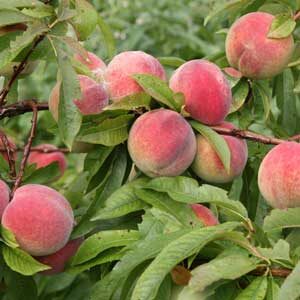 Food Forests: The Foundation was reactivated in 2014 when the community wished to establish a Food Forest project. That was operated for two years until its principal decided to move off island, after which the Foundation was again put in dormancy but kept operational in good standing.
Affordable Housing: In 2017, it was reactivated again. This time is was focusing on the affordable housing crisis by examining the Resource Management Act 1991, the Building Act 2004, and the Hauraki Gulf Islands Operative District Plan to determine what options might have been overlooked.
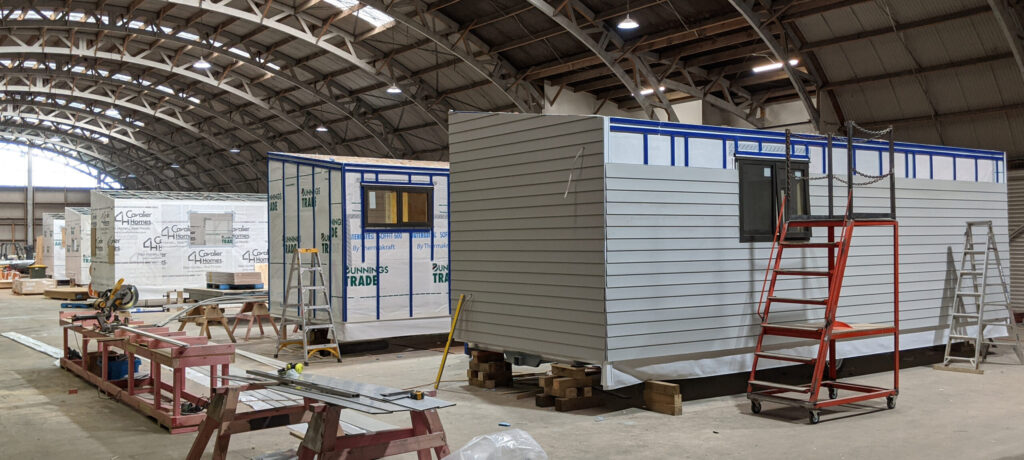
It found while the plan had extensive rules about “buildings”, the district plan did not speak to mobile “box trailers” that are not fixed to land, hence not structures under the RMA and not buildings under the Building Act. However, at that time, what is called the mobile home industry was in its infancy. There were enthusiasts making tiny homes, but finding a reliable source for affordable and well made manufactured mobile homes was harder. Thus, from 2017 – 2020, the Foundation worked with the industry to develop product and capacity. It also started the Mobile Home Association to advocate both for the manufacturers, and for their customers who tended to be drawn from the hidden homeless: people living in cars, tents, garden sheds, garages and overcrowded conditions.
Trust Waiheke: Renaming itself as Trust Waiheke in 2019, the trust began advocating for mobile homes as a 15-year interim solution to Waiheke’s housing crisis, but soon after it started, COVID hit. When the government intervention receded, the Trust re-awoke, focusing on adequate affordable housing and food resilience.